Directed by Hirokazu Koreeda Released: March 2017
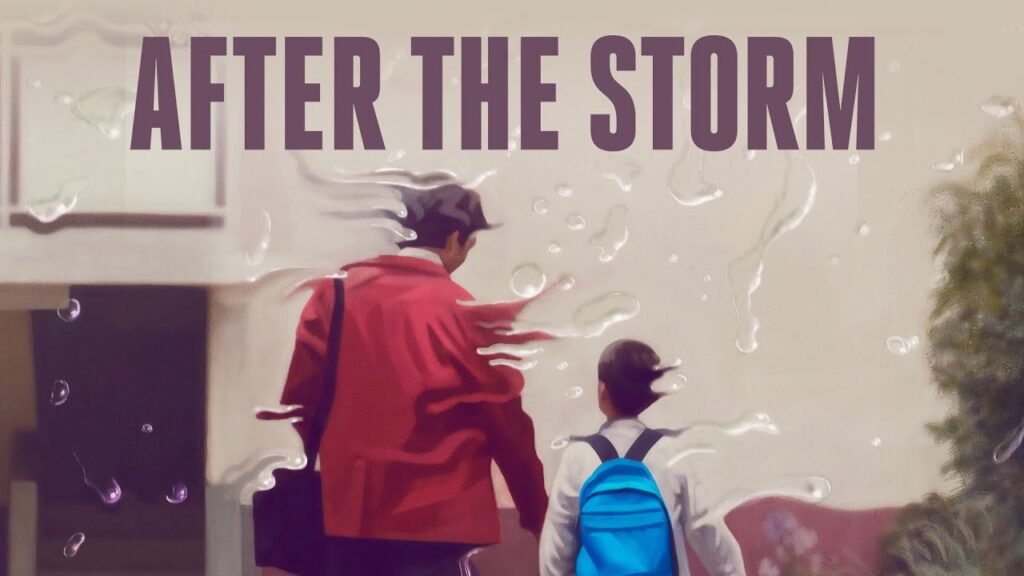
The story begins with the radio telling of an impending storm. This storm will come and go along with the revelations of the character Ryota, as he goes through a change throughout the film. He begins as this gambling addict PI unable to get a foot hold on his finances and unable to look at his present self. He always looks to his past self or his potential future when he finally writes a new novel. Both versions of himself do not exist. The film dives into this theme of needing to learn to accept your present self.
It displays by showcasing how Ryota is stuck in a PI job, working day by day fantasizing about potentially winning the lottery or dreaming about his past self when he was an award winning novelist. He is unable to ground himself in the present. He coasts throughout life following other people, cheating, and lying to everyone around him. He takes no interest in his own life because the pain he feels by evaluating himself is too great. He rejects himself because he’s afraid of the truth which is that he failed to become the man he dreamt he’d be as a child. It isn’t until he speaks to his ex-wife that he learns to accept himself for who he is as a person. He accepts the present truth. He is no longer the novelist who won that great award, and he is not a person who will win the lottery, he is simply Ryota, a single father working as a PI with little to no money. Once he begins to accept his present, he begins to find himself once again.
The theme is reinforced with the help of its use of plot points in showing how Ryota’s beliefs of himself impact his life negatively. For example, his gambling habit is stated to be a wish for a better future. This only leads to him constantly being behind bills, child support, and personal debts for the sake of a future that will never be. His inability to move on from his past is due to his belief that he will write a new book. This leaves him constantly dismissing opportunities that would better his life, as seen when he declines to write for the manga presented to him by his publisher. He is frozen in place focusing on the past and other other people rather than his own present self.
The film utilizes cinematography to immerse the viewer in the characters’ world. Rather than loud bombastic shots, the film opts for a more quiet approach. Focusing on the small moments, with little to no movement. The shots focus on the characters and their dynamics. It aims to place the viewer in the world of Ryota, with shots on the floor when he sits side by side with his ex-wife, or shots at the table. It never tries to shock or awe but to ease you into the world. Very similar to works like Ozu with the tatami shot.
Overall, the story and cinematography demonstrates the vision of the director and message of learning to accept the present. It showcases the negative consequences that occur if you reject the present and uses cinematography to place the viewer in the world of the protagonist. The film well done and I personally recommend it to anyone who feels as though they have failed themselves at one point.